TLDR
- SEO builds slow, compounding organic visibility; SEM (Google Ads) buys immediate but temporary placement.
- Best local-business approach is often SEM for immediate demand + SEO for long-term reduction in ad reliance.
- Industry shapes the calculator: trades want fast SEM leads, legal/finance justify higher SEO investment, real estate needs both.
- Choose based on lead value and sales cycle — not raw cost-per-click — and combine channels when budget allows.
SEO helps your business rank in unpaid search results, while SEM encompasses paid search channels (Google Ads) that can drive traffic to your site as soon as your ad goes live. The better approach for most local businesses is to initially rely on paid search to fulfil immediate needs while continuously building your unpaid search results.
SEO vs SEM Side by Side
| Factor | SEO | SEM / Google Ads |
| Main purpose | Earn organic visibility through relevant content, technical improvements, authority and local signals | Buy placement for chosen searches through paid campaigns |
| Time to see results | Often several months, depending on competition and the site’s starting condition | Can appear almost as soon as campaigns are switched on |
| Cost model | Ongoing investment in strategy, content, technical work and links; no charge per organic click | Spend on clicks, plus management and landing-page costs |
| Budget control | Results aren’t tied directly to a daily spend cap | Tight control over daily budget, locations, keywords and scheduling |
| Sustainability | Presence can last well after individual pages are published, though upkeep is still needed | Traffic generally stops once the campaign or budget ends |
| Click trust | Some searchers favour organic listings since they aren’t tagged as ads | Ads sit prominently, though users know they’re paid |
| Best for | Long-term lead flow, local standing and cutting reliance on paid traffic | Time-sensitive offers, competitive launches, high-intent leads, fast testing |
What SEO Actually Covers
SEO is the ongoing work of shaping a website and its surrounding signals so it earns more of the unpaid attention it deserves.
For a local business, this could include:
- Creating genuinely helpful service and area-specific pages for the neighbourhoods and districts you operate in
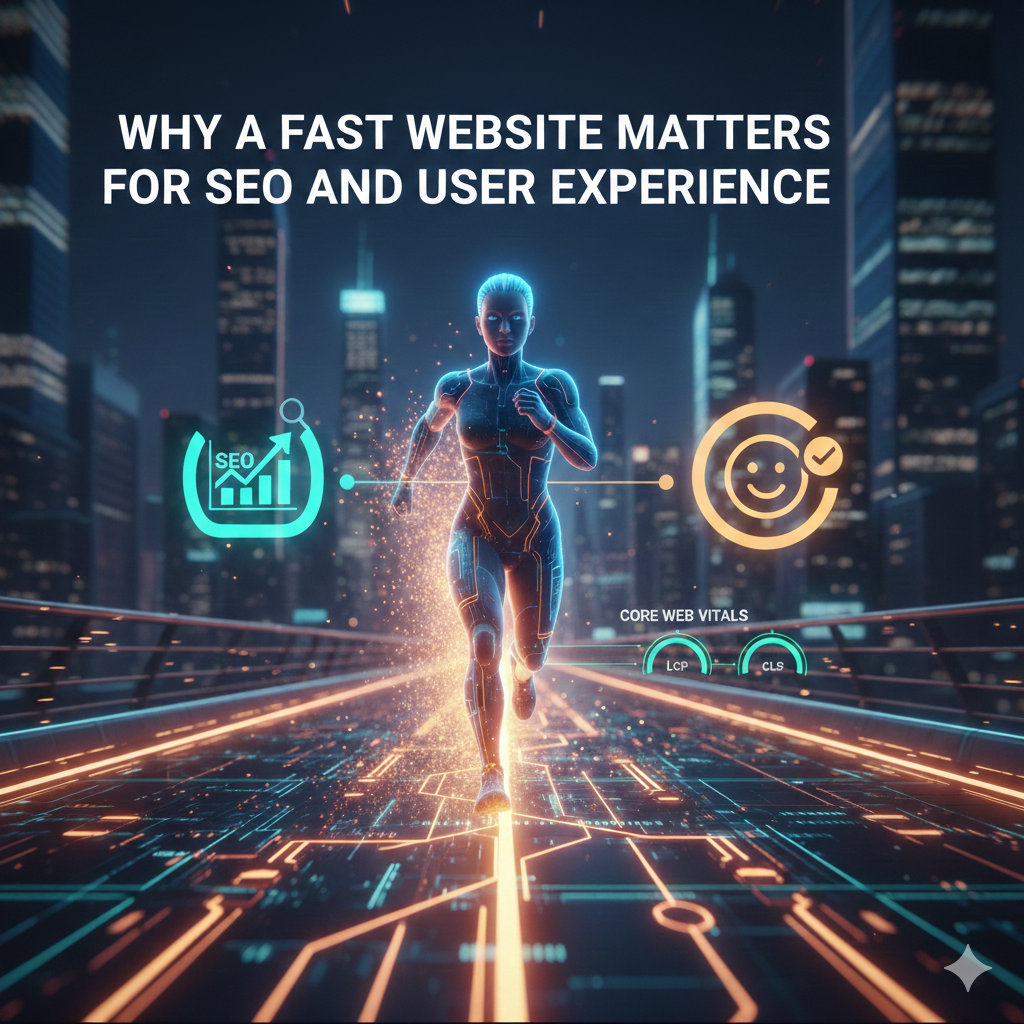
- Enhancing technical functionality, including performance, internal linking, structured data, and mobile usability, and addressing Core Web Vitals, which affect a site’s ability to rank
- Providing content that answers the questions customers are actually posing
- Building relevant authority through digital PR, partnerships and citations
- Ensuring the Google Business Profile and other related listings are accurate and complete
- Managing customer feedback
SEO does not strictly concern the typical blue-link results. For plumbers, electricians, dentists and family lawyers, it is just as important to appear in the local pack and in online maps as it is to rank organically.
In smaller local markets, businesses have been known to make it into the map pack with fewer reviews than in larger, more competitive markets, since the competition for those spots is generally less aggressive.
A site’s technical foundation is also a major aspect of this. The speed of a site greatly impacts both search engines’ and visitors’ perceptions of the site.
Semantics of SEM
SEM is the abbreviation of Search Engine Marketing. It relates to search engine advertising, an example of which is Google Ads. A campaign in SEM allows your business to populate ads for customers in search of the following:
- “emergency plumber near me”
- “family lawyer [area name]”
- “commercial property agent”
- “wedding venue [region]”
- “solar installer [suburb]”
A well-built SEM campaign contains the following:
- Keyword and intent analysis
- Ad group and campaign creation
- Location and device bid modifiers
- Responsive search ads and call-only ads
- Landing page experience
- Tracking conversions from calls, forms, commerce, and/or bookings
- Search term analysis
- Bid, message, and audience tests
The advantage of SEM campaigns is the ability to create awareness and gauge interest around a new offering or a new service quickly with flexible budgets.
The disadvantage is that with SEM campaigns you are more of a renter than an owner. This means that once you stop running a campaign, the traffic it generated disappears. Additionally, the paid search ad platforms are continuously changing, so a strategy built in SEM a year ago could already be outdated.
Local Market Analysis
No market is homogenous; there are differences in competition based on location, the industry, deal size, and the number of businesses competing for the search results.
Trades and Home Services
Customers looking for trades services will typically seek out whoever is closest. However, the competition in Google search results varies a lot by area. Plumbers, roofers and electricians may find a less competitive zone if they target specific neighbourhoods rather than an entire metropolitan or regional area.
SEM is the channel you want if you need calls quickly for last-minute jobs. However, organic SEO and local SEO can help you win those same leads at a lower cost in the long run with service or area pages, submissions and customer reviews.
Legal and Professional Services
Family law, personal injury, immigration, accounting, and finance services carry higher customer value, and thus, higher competition. This increases the cost of paid clicks and means that SEO likely requires more valuable content, stronger external site links and time.
The true cost of each channel is rarely the main concern for these businesses. The real concern is whether the profit from a qualified lead covers the total cost of the click, the page’s design, driving the lead and the sales and marketing process.
Real Estate and Property
Property services must rank for both urgent, service-focused queries and longer, research-based queries. SEO is useful for writing market or area guides and supporting content. SEM can be used to drive time-bound campaigns for things like new development listings, rental listings, and promotions urgently.
Because property searches tend to be area specific, the accuracy of Google Business Profile, along with local relevance and review activity, will influence your rankings and paid search results.
Which Should You Choose?
Choose SEO First If:
- You want a more stable source of leads and do not want to be completely reliant on ad spending.
- Your clients tend to do some research before they get in touch.
- You serve an identified local region or neighbourhood.
- You do not mind waiting for a few months to allow some momentum to build.
- Your site has a lot of real expertise, but is not visible.
- You want to develop real local dominance through content, reviews, and maps.
Choose SEM First If:
- You need leads quickly.
- You are launching a new service or opening in a new location.
- You have a time-sensitive offer to promote.
- You want to see how much demand there is for each keyword first, then decide whether to commit to content.
- Your business has a good margin and conversion rate, so you can afford to pay to have customers acquired.
- You need to have a lot of control over your budget, location, and the keywords.
Choose Both If:
- Your competitors show up in both paid and organic search results.
- You need enquiries now and need growth later.
- You want to use paid search results in order to determine which keywords you need to focus on for organic search results.
- You want the content you publish for organic search results to increase the relevance and the conversion of the search results you pay for.
The plumber can set up Google Ads to answer calls that happen outside normal business hours. They can also take advantage of local SEO to strengthen a Google Business Profile and build a better reputation by getting more reviews.
Local SEO can help the family lawyer the same way search engine marketing can, just on a different timeline. Although legal clicks are expensive, the ideal campaign should have good qualification and conversion so it can be cost-effective. For a small, local business, neither option should be chosen based solely on cost per click or estimated monthly spending. The decision should be based upon how much each lead is worth, how easily each lead can be closed, and how much is available to be spent.
FAQs
Why should a small local business consider SEO or SEM?
SEO and SEM each have their pros and cons, but the choice depends on what the business needs. If a business relies on immediate inquiries, SEM would be better, but long term, SEO is the way to go. SEO builds visibility that lasts over time, which lets businesses rely less on paid visibility.
Is a business listing on a map SEO or SEM?
Generally, map listings are part of local SEO, but a business can also use local paid placements. The relevance, local prominence, and accuracy of the listing are the main factors that influence organic visibility of a map listing.
Can Google Ads and SEO be used in combination?
Yes. SEO takes time to provide visibility, whereas paid search provides immediate results. Data from paid search can inform your SEO strategy, and building strong organic SEO results can aid relevance and improve conversion rates for your paid search landing pages. Beyond search, organic visibility and paid campaigns can reinforce each other’s reach.
Bringing It All Together
For most local businesses, SEO and SEM solve different issues. SEM offers advertising space; SEO provides visibility over time.
When deciding on a strategy, the shape of your business is more important than the preference to focus on a single channel. When speed is the most important factor, and you want to test, then engage Google Ads. If you want to build SEO for the long term, then focus your efforts on SEO. Engage both fully when your budget and the economics to drive customers justify it. Search demand, competition, ranking position, the map pack, conversion rates, and customer acquisition costs should all be considered before spending money on either SEO or SEM.